
How to check and improve AI search citations
Choose factual and decision-oriented questions customers actually ask. Record the platform, model if shown, date, location context and exact prompt. Save the answer and linked URLs. Repeat the set under comparable conditions; an isolated answer should remain an observation, not a visibility score presented as fact.
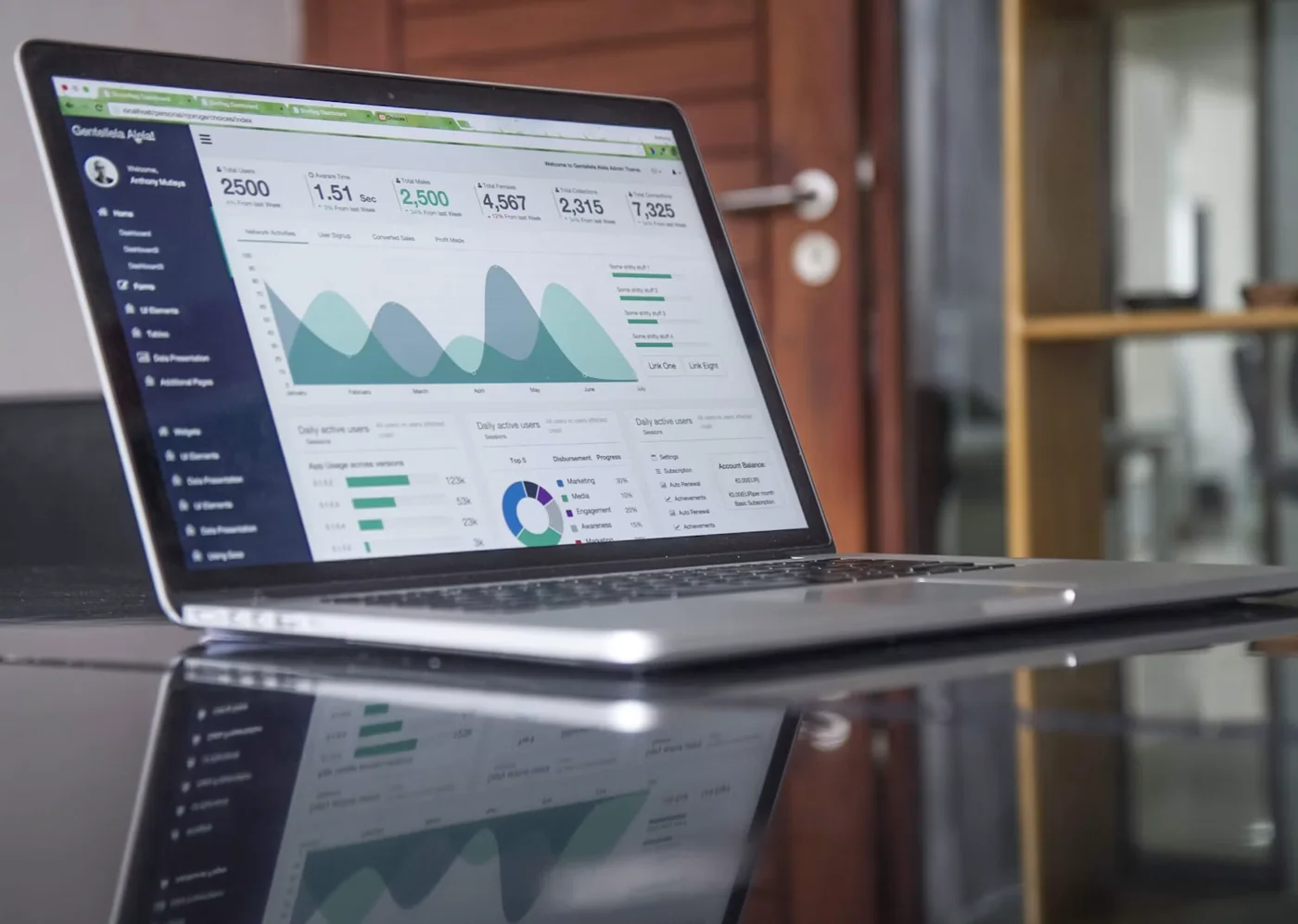
Photo: Carlos Muza / Unsplash
How is a mention different from a citation?
A mention names the business. A citation links to a source, which may be the business’s own site or another publisher. Log those separately and check whether the cited passage supports the answer. A link to the wrong product or outdated page can be less helpful than an accurate factual explanation.
Which source passages deserve improvement?
Find questions with missing or misleading source material. Add the product specification, service boundary or comparison explanation where the buyer expects it. Put the answer near its context, cite primary evidence and identify who maintains changing facts. Tables can help comparisons; they do not guarantee selection by a model.
What tools belong in the review?
Search Console and browser inspection assess accessible source pages. A spreadsheet records the tests and answer captures. Analytics can review identifiable referral traffic, but it cannot reveal every generated answer a person saw. Separate observed citations from inferred influence on sales.
What claim is defensible?
Report that a particular URL was cited in a recorded answer under the stated conditions. Do not translate that into a guaranteed ongoing placement. GEO audit deliverables describe how we structure the question set and source checks.
Aim to be a useful source
Being cited by AI search is an observation, not a service that can be guaranteed. A business can improve the quality, accessibility and clarity of its information, but it does not control which sources an answer platform selects. Start with the question your audience needs answered and the information your business can contribute responsibly.
Ask why someone would reference the page. Does it explain a difficult process, provide an original comparison or clarify a product detail? A generic summary of familiar advice gives a reader little reason to choose it over many similar pages. Useful specificity comes from the business's expertise and approved evidence.
Do not confuse citation with commercial success. A reference may bring visibility without a meaningful enquiry. The destination still needs to serve the visitor who follows it. Clear scope, credible information and a useful next step remain important whether the source of discovery is a search result, an AI answer or a direct recommendation.
Choose questions close to real decisions
Collect questions from the people who speak with customers. Sales and support teams hear what prospects do not understand, what makes them hesitate and what they compare. These questions can identify useful content more reliably than producing a page for every phrase suggested by a tool.
Group related questions by the decision they support. A shopper evaluating materials may need a comparison on one page. A service prospect may need an explanation of the process and prerequisites. Avoid scattering the same answer across several near-identical URLs. A coherent page can cover related details while maintaining a clear purpose.
Consider what the business can answer credibly. Do not publish technical, legal or financial advice outside the available expertise merely because the topic attracts interest. Explain the service or product accurately and link to appropriate primary references where needed. The content should make its scope apparent to the reader.
Give the answer context and structure
A strong page states its main point clearly, then develops the reasoning. Use descriptive headings and paragraphs that explain one idea at a time. A short definition can be useful, but it should not replace the detail someone needs to make a decision. Organise the page around the reader's task.
Use comparisons where they clarify a choice. State the criteria, explain trade-offs and identify situations where each option fits. Avoid a table that labels your offer best in every category without evidence. The value of a comparison comes from its reasoning, not from its ability to make one provider appear universally superior.
Keep important text in readable HTML. Do not hide the whole explanation inside a screenshot, slide deck or decorative graphic. Visuals can support the content, but the information should remain available to visitors using different devices and assistive tools. Clear structure also makes maintenance easier when the facts change.
Add evidence with appropriate permission
Original evidence can strengthen a useful page. It might include a method, product measurements, an approved example or a documented process. Explain where the information comes from and what it supports. A dramatic number without a definition or comparison period is less informative than a precise account of the work.
Client information requires care. Permission to work on an account does not automatically mean permission to publish its reports. Use approved facts and keep confidential figures or personal details out of public pages. A case study can describe the challenge, approach and responsibilities without displaying an underlying spreadsheet.
Where results are used, distinguish observation from causation. Several activities may affect performance during the same period. Do not assign all growth to one intervention unless the evidence supports that conclusion. If the data has limitations, preserve them in the explanation. Credibility depends on the interpretation as well as the source.
Make the author and business understandable
A visitor should know who is responsible for the information. Use an accurate author identity and a relevant description of experience where appropriate. For a business page, explain the service and operating model clearly. Avoid exaggerated qualifications, invented client counts or a list of countries where no work has been confirmed.
Review public profiles for consistency. The name, website and core description should refer to the same organisation. Old contact information or conflicting services can confuse customers and external systems. Keeping identity accurate is a normal maintenance task, not an excuse to expose private addresses or personal records.
Link to sources that genuinely support the content. Primary documentation is useful when discussing platform behaviour or technical requirements. A link should help the reader verify a specific point. Adding unrelated authoritative websites to a page does not make unsupported claims reliable.
Keep technical foundations in order
Check that the page loads, can be reached through internal links and has appropriate indexing instructions. Inspect the rendered content if important information depends on scripts. A polished draft cannot be discovered or used reliably if the public destination is broken or the text is absent from the rendered page.
Use relevant structured data to describe visible facts. It can provide a consistent representation of the page, but it does not guarantee an AI reference. Maintain the markup when the content changes and test the actual output. More schema types are not automatically better if they describe information the page does not contain.
Review crawler documentation for the specific platform you care about. Different services may have different access policies and purposes. A broad promise that one technical setting unlocks all AI search is not a useful implementation plan. Any change should have a defined purpose and fit the website's publishing and security requirements.
Monitor a sample responsibly
If you check AI answers, choose a documented set of questions relevant to the business. Record the platform, wording and observation date. Results may differ between sessions or change over time, so treat the checks as a sample. Do not turn one favourable answer into a permanent ranking claim.
Review whether the referenced destination is correct and useful. A citation to an obsolete page may reveal a maintenance problem. If website referral data is available, inspect the visits and subsequent actions using clear definitions. Be careful about attribution, because visitors may have encountered the business through several channels.
Keep work and outcomes separate in reporting. Completed content improvements can be verified directly. Citation observations and commercial results require different evidence. This separation helps the business understand what has been delivered and what is still uncertain, without reducing the report to a collection of favourable screenshots.
Build a maintainable publishing routine
Choose a manageable set of important pages and improve them first. Maintain a record of the questions covered, the supporting facts and the person responsible for updates. When a service changes or new evidence becomes available, revise the relevant page rather than launching another duplicate article.
Use an editorial check before publication. Confirm factual accuracy, source relevance, public permissions, readability and the next action. Review the page on mobile with its real content. A useful article should not require a visitor to download a document or interpret an oversized graphic to understand the main point.
Digital Hope Media treats AI search as part of a connected SEO and content approach. The practical goal is to make the business a clear, useful source and support the visitor's next decision. That remains worthwhile even when a particular platform does not cite the page during a sampled check.
What to check before publishing a source page
Read the draft as a visitor who has never heard of the business. Can you identify the question being answered and the basis for the explanation? Are the examples useful, or do they simply repeat the main point? Remove claims that cannot be supported and replace vague promises with concrete descriptions of the offer or process.
Next, inspect the public page. Confirm that headings, text, links and images render correctly on a phone. Check the next action and any supporting references. If the content includes client work, verify that the approved public version matches the permission given. Keep internal reports and personal information out of the page.
Finally, assign an owner for maintenance. A source page can become misleading if products, services or platform guidance change. Record which facts need periodic review and where the original information came from. This is especially useful for technical guides that depend on external documentation.
A publishing check will not guarantee citation, but it improves the destination people may encounter. That is a useful outcome in itself. The page should help someone make a better decision without requiring them to trust an unexplained number or download a private document to understand the business's point.
Primary reference
Read the platform documentation supporting this guide.What should you explore next?
Explore the connected services and reference guides.

About the author
Ashish Mehta founded Digital Hope Media in Rohtak. He has 7+ years of digital marketing experience.
Read Ashish’s backgroundDiscuss how to check and improve AI search citations
Speak with Ashish about your website. Discuss scope and pricing on the call.
Book a free 30-minute call ↗Get a free audit ↗